A good conference feels effortless to the people attending it. That feeling is built weeks earlier, in a series of decisions made in the right order.
1. Start with the objective
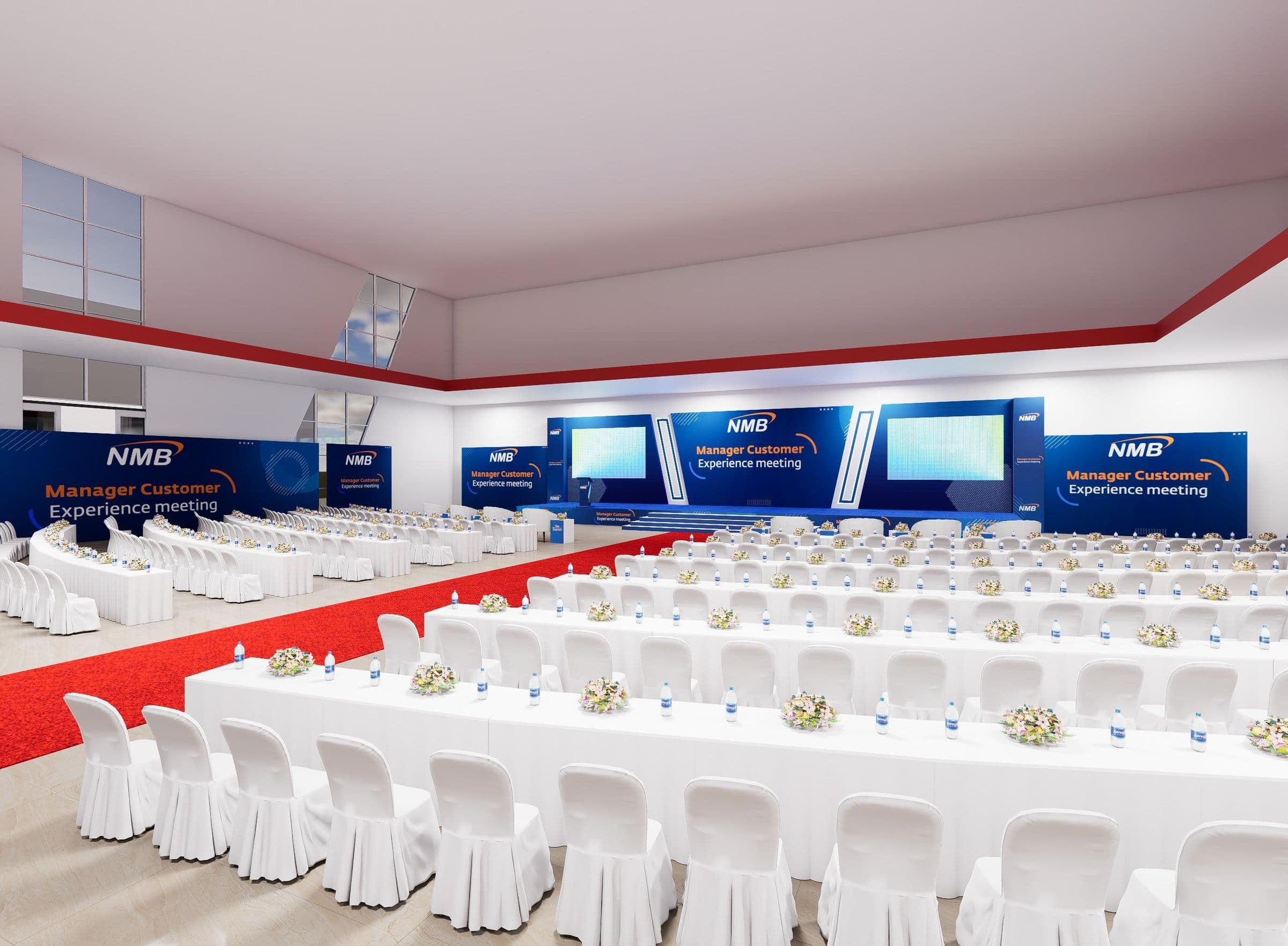
Is the event there to inform, motivate, reward or sell? A sales conference that celebrates results needs a different stage, running order and energy from a customer-experience meeting that needs focus and note-taking.
2. Fix the numbers and the format
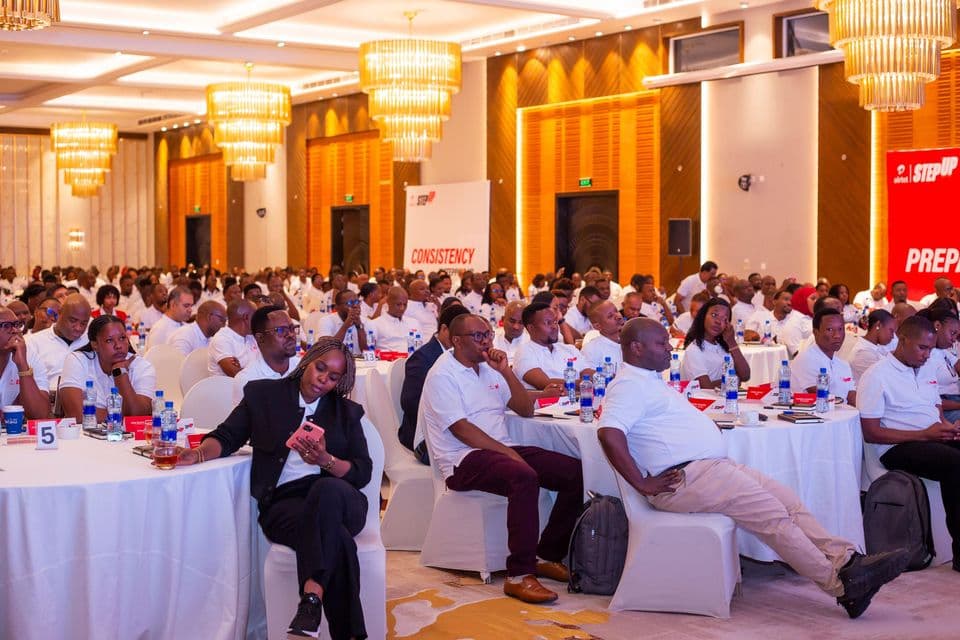
Guest count and seating style drive almost everything else. Banquet rounds suit dinners and awards; classroom seating suits working sessions; theatre style fits the most people into a room.
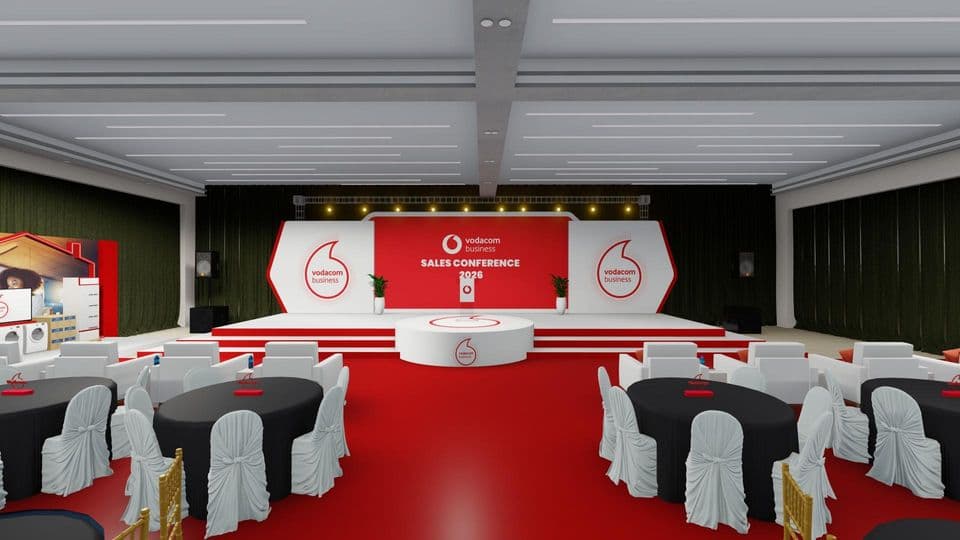
3. Design the room before you build it
Stage and set design visualizations let decision-makers see the stage, screens, branding and seating before production starts. Changes are cheap on a render and expensive on the day.
4. Plan the technical backbone
- Sound system and microphones for every speaker and panel.
- LED screens or projection sized for the back row.
- Stage and backline if there is live music.
- Lighting that works for the audience and for photography.
5. Think about the whole guest journey
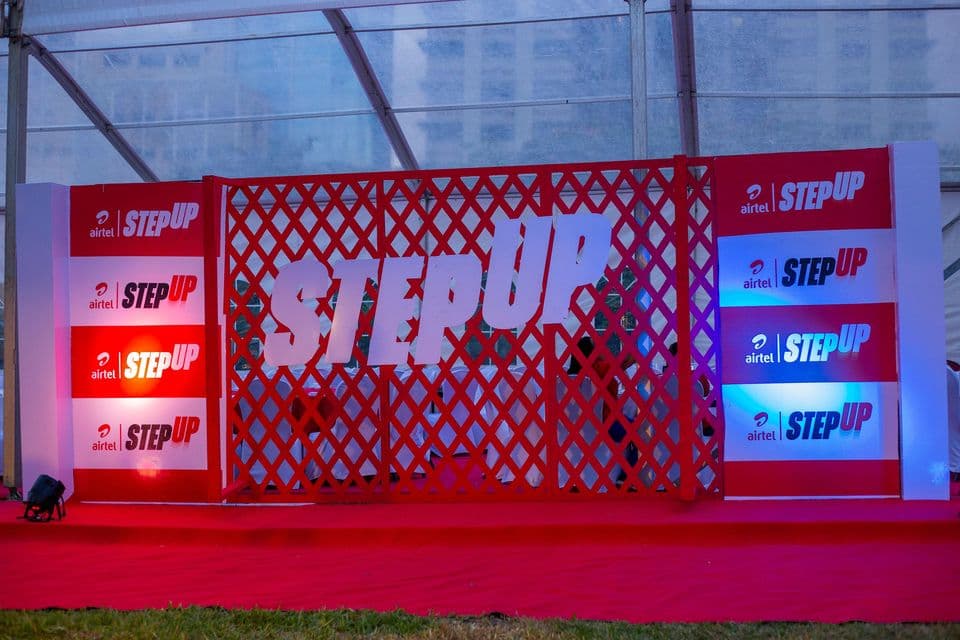
Arrival, registration, the entrance, seating, meals, breaks and departure. Branded entrances and clear signage do more for first impressions than any single stage element.
6. Capture it
Photography and videography give you content for internal communication long after the day.
7. Close with a report
Agree what the wrap-up should include — photos, attendance, what worked, what to change — so the next event starts from evidence.
Onset plans and delivers corporate events end to end, with our own sound, backline, stages, vehicles and event lights. Tell us your date and guest numbers and we will take it from there.